







see all jobs
Active Lives data shows positive impact from fitness sector


Activity levels are still rising among English adults according to Sport England’s new Active Lives Survey, which covers November 2024 to November 2025.
According to Sport England’s chief strategy officer, Nick Pontefract, the number of people meeting the Chief Medical Officer’s guidelines of 150 minutes of moderate intensity exercise each week is at the highest since the survey began in 2015-2016.
There are now almost 30 million active adults in England – 859,000 more than last year and 3.3 million more since the survey started. Inactivity levels have decreased by 0.9 per cent.
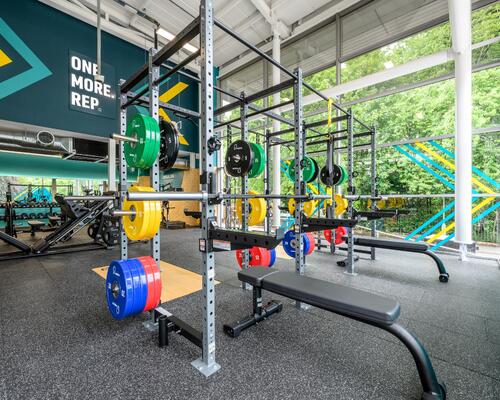
Much of the increase is from older people who want to stay healthy and gyms are playing an important role. Since the pandemic the biggest increases have come from gym-based training: fitness classes, gym sessions, exercise machines, weight sessions, intervals and generic fitness training. All of these areas have shown steady growth.
The uptick in gym usage is supported by the findings of the UK Health & Fitness Market Report 2026, which showed penetration is at an all time high of 18 per cent.
Headlines
Almost two-thirds – 64.6 per cent – of adults met the CMO guidelines last year. A further 10.7 per cent are fairly active (30 to 149 minutes a week), while 24.7 per cent are inactive.
Activity levels among 16 to 34-year-olds have remained stable at 70.5 per cent over the last three years, this is down from 72.2 per cent in 2015, but has increased from a low during the pandemic.
Among 55 to 74-year-olds activity levels are steadily climbing – an increase of 0.8 per cent this year to 64.3 per cent, which is a significant increase from 57 per cent in 2015.
Guidelines also advise two muscle strengthening sessions a week – alongside the 150 minutes – which could include housework, manual gardening and DIY. Forty five per cent (21.5 million) met this guideline. Although the likelihood of reaching it decreases with age, there has been an increase of 2.7 per cent to 41 per cent in the over-55s compared with 2019 when the data was first recorded.
Running has increased by 0.8 per cent over the last 12 months and, after a dip, cycling for sport appears to have stabilised. There has been little change in team sports over the last few years and swimming participation was up by 0.3 per cent.
The challenges
With the same inequalities remaining there is still more work to do to remove barriers to activity.
Women continue to be less active than men (62.2 per cent compared with 67.3 per cent). Participation rates are rising among women, but they are rising among men at the same pace.
Those in the lower socio-economic groups are markedly less active (53.8 per cent) than more affluent groups (73.2 per cent) and while there has been a small increase of 1.4 per cent in the last year there has been no reportable difference in the last nine years.
Black and Asian (excluding Chinese) and those from other ethnic groups have not seen an increase in the last nine years and the gap to White British and White other adults has widened.
Activity continues to be less common for people living with a disability or long-term health condition than those without – 49.1 per cent compared to 69.8 per cent.
Attitudes
Eighty two per cent either strongly agreed or agreed that they feel they have the ability to be active; 79 per cent feel they have the opportunity and 73 find exercise enjoyable and satisfying.
The likelihood of strongly agreeing with each of the three statements increases with affluence.
There is also a positive association between positive attitudes and wellbeing. People who score highly are more likely to have higher individual development and community development scores than those who don’t agree.
In terms of inclusivity, 24 per cent strongly agree and 45 per cent agree that the places where they exercise are inclusive and welcoming.
Seventy two per cent either agree or strongly agree that they feel safe in public places they like to exercise and 67 per cent either agree or strongly agree that they see people similar to themselve where they exercise.
Feelings of inclusivity decrease as inequalities increase, however feelings of inclusivity are consistently rising.
Reaction
Sport England chief executive, Simon Hayes, says: “It’s great to see continued growth in the number of people taking part in physical activity, with more adults than ever enjoying the benefit of playing sport and moving. It is testament to the incredible work of so many people across the sector, including the millions of volunteers without whom the system could not operate.
“But today’s report also shows this progress is still not being felt equally. Where you live, your socio-economic circumstances, your gender, and your ethnicity, all still have a significant impact on how likely you are to be active.
“So we will continue to focus our efforts on working with partners to ensure that everyone, regardless of their circumstances, has the opportunity to be physically active and enjoy the benefits it brings. We will be setting out more detailed plans for how we intend to do this over the next five years in the coming weeks."
Cameron Saunders, CEO of UK Active, says these findings mirror those of the UK Health & Fitness Market Report 2026 and show the growing popularity of the fitness sector’s services to meet demand for physical activity.
“It’s great to see fitness driving increases in levels of physical activity. This progress underlines the essential role played by our nation’s gyms, pools and leisure centres as the core infrastructure driving physical activity in the UK,” he says.
“Close to a million more people took part in fitness activities last year, a 1.4 per cent increase on 2024. There’s also been a long-term increase in the number of older adults taking part in strength training – up by 2.7 per cent over the past five years – and a 0.9 per cent increase in women undertaking weight exercises in the past year alone, reflecting growing recognition of strength training as a vital component of health.”
However, Saunders is concerned about the persistent inequalities: “We’d all like to see overall increases moving far quicker, and far more being done to reduce inequalities.
“While we continue to see growth in the overall numbers of active adults, the pace of change remains too slow to address the continuing health crisis we face, including spiralling NHS costs and economic inactivity. This is particularly acute among lower social groups.”
He called on the government to partner with the sector to shift the dial: “The government has the opportunity to work with our sector on practical, tangible ways to create a step-change in activity levels, harnessing our national infrastructure of gyms, pools and leisure centres to unlock a healthier, happier and wealthier Britain.”
No further collaboration, funding or concessions to the sector are immediately forthcoming from the government. Minister for Sport, Stephanie Peacock, spoke about funding which has already been announced: "We believe that everyone should be able to reap the benefits of sport and physical activity. That's why the Government is taking a place-based approach to sport funding to make sure the right facilities reach the right communities. We're backing that with £250 million through Sport England to reach local places with the highest levels of inactivity and at least £400 million into multi-sport community facilities."

More News









- News by sector (all)
- All news
- Fitness
- Personal trainer
- Sport
- Spa
- Swimming
- Hospitality
- Entertainment & Gaming
- Commercial Leisure
- Property
- Architecture
- Design
- Tourism
- Travel
- Attractions
- Theme & Water Parks
- Arts & Culture
- Heritage & Museums
- Parks & Countryside
- Sales & Marketing
- Public Sector
- Training
- People
- Executive
- Apprenticeships
- Suppliers