







see all jobs
Arup report warns urban planners must do more to create child-friendly cities


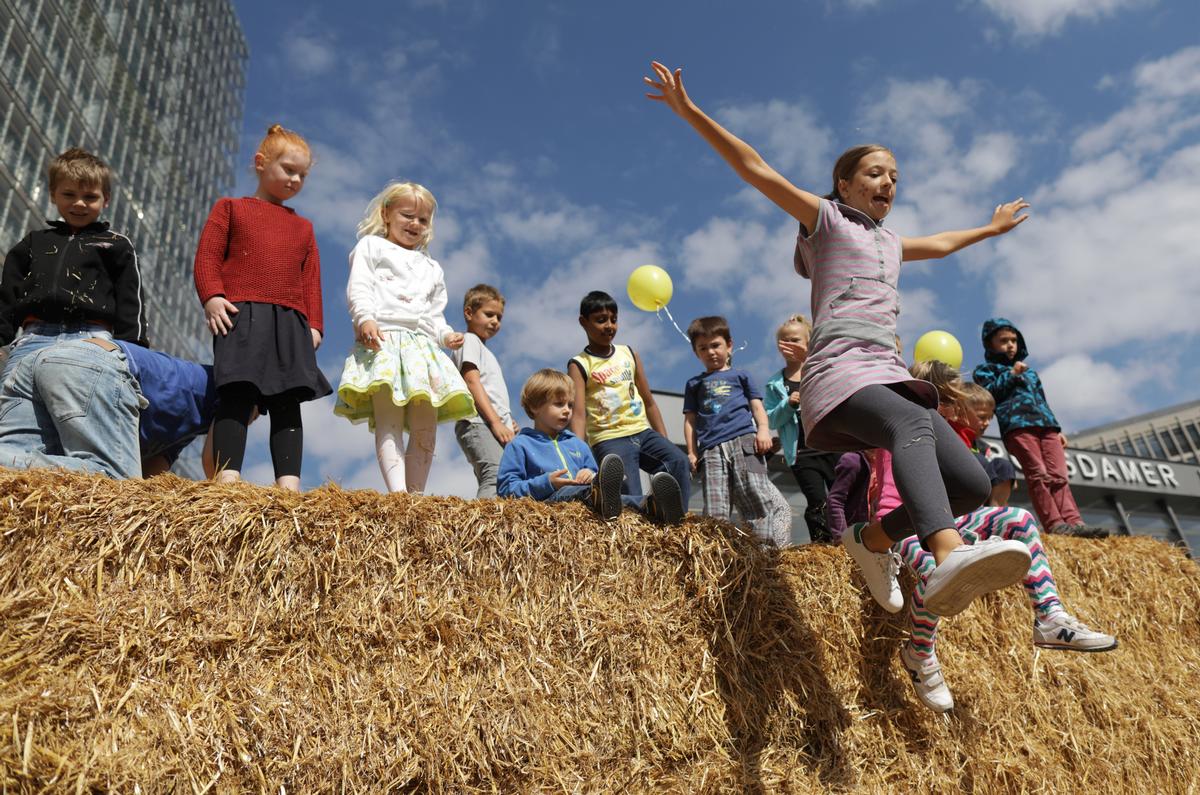

A child-friendly approach to urban planning is a vital part of creating inclusive cities that work better for everyone.
That is the conclusion of global architecture and engineering firm Arup, which has published a new report warning that cities risk economic and cultural damage if they fail to address the needs of children aged 17 and under.
The authors of ‘Cities Alive: Designing for Urban Childhoods’ argue that children’s ability to get around independently, the time they spend playing outdoors and their connection to nature are strong indicators of how a city is performing. However, they warn that many urban design authorities are not doing enough to create these conditions.
High levels of air pollution, traffic, crime and high-rise living are making cities child-unfriendly, they added, as these restrict independence and ability to play, enhance stress levels and can lead to childhood obesity and mental health problems. Arup claims action is required urgently, as 60 per cent of all urban dwellers will be under the age of 18 by 2030.
“We are at a critical moment in the evolution of cities and how we treat our children today is how we will be remembered in the future,” said Arup's Global Cities Leader Jerome Frost, in response to the report, which features 40 global case studies.
“The choices we make in the built environment can help to ensure children are given respect, fair treatment, a healthy life and the best chances of tackling the challenges of tomorrow. By highlighting children’s needs, we will be helping to solve other urban challenges, leading to cities that are better for everyone.
“This report highlights the opportunity to create healthier, more inclusive, resilient and competitive cities for people of all ages.”
City leaders, developers, investors and architects are given 14 recommended interventions and 15 actions to improve the situation,
Recommendations include closing streets to traffic to encourage children to be more active; designing public realm for all ages to enjoy together; creating ‘wild spaces’ and community gardens where young people can engage with nature; and installing public art that invites playful interaction.
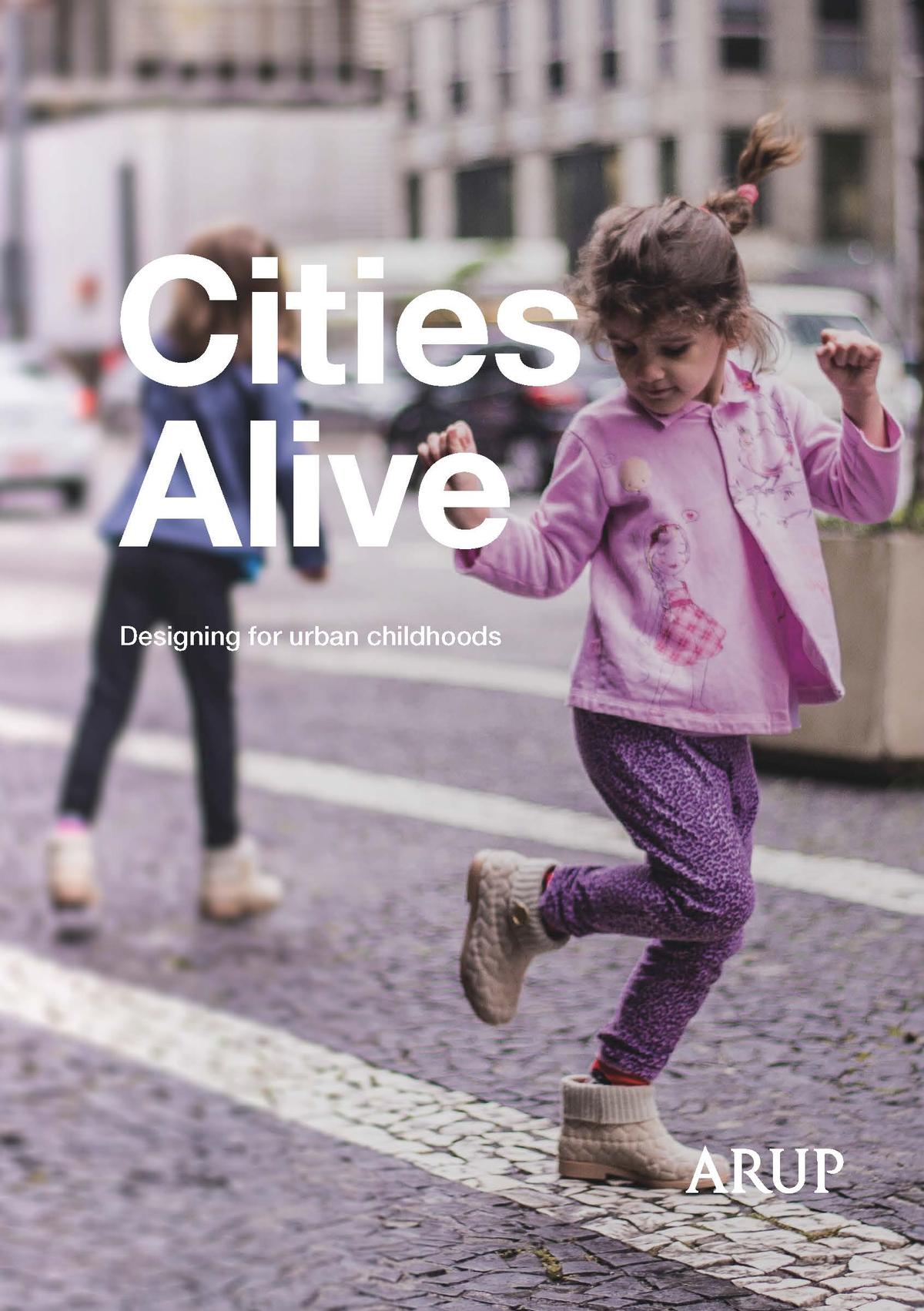
• Play streets – Independent mobility leads to higher levels of physical activity, sociability and mental wellbeing. Yet fears for children’s safety means that from 1971 to 1990, the number of UK children walking to school unsupervised has decreased from 80% down to just 9%. Temporarily closing streets to traffic would encourage people of all ages to be more active, while reducing air pollution and traffic danger. The City of Bogota is taking a lead in this, regularly closing city streets to cars, while Bristol, London, Adelaide, New York and Toronto are all forging partnerships between residents, local agencies and municipalities to take ‘play street’ schemes forward.
• Intergenerational spaces – Where children go, adults follow. The creation of active space can benefit the health and cohesion of whole communities. From early on King’s Cross Central incorporated playful interventions as a means of urban regeneration and to create a fun and vibrant destination for all ages. This involved incorporating arts programming, urban gardens and a temporary open-air swimming pond to generate outdoor activity.
• Traffic measures – In 2015, road traffic injury was the leading cause of death among 10-19 year olds globally. Increasing drivers’ awareness of pedestrians and street activities is paramount. In South Korea, the School Zone Improvement Project is doing just this, creating safe routes between children’s homes and frequently used facilities. A month-long experiment changed an inner city neighbourhood of Suwon, South Korea into a car-free zone, which proved successful when residents voted to impose parking controls, speeding restrictions and car-free weekends beyond the pilot project.
• Wild spaces – A connection with the natural world is associated with a range of physical and mental health benefits, including lower rates of obesity, depression, stress and attention disorders. Creating better ‘wild spaces’ in cities improves access to these areas, while preventing disused canal sides and parks becoming hotbeds for crime. Residents of Salinas in California saw this when the local community restored the 64-acre Natividad Creek Park, turning it into a refuge for young people from gangs and violence.
“Harnessing political will, testing interventions through pilots and being creative in using the evidence, resources and capabilities available will help us make better choices for child-friendly environments,” said Frost.
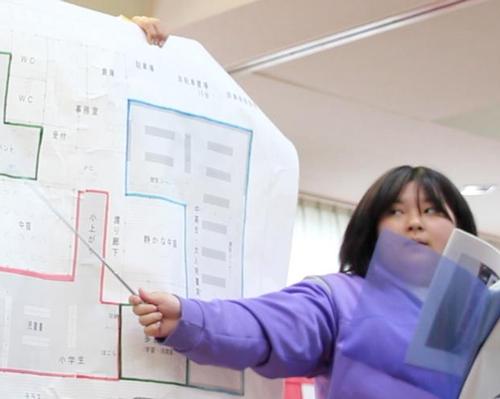
City planners in Japan have been among the first to establish child-friendly cities by giving young people a say in the design of their urban environments. Projects have been launched in the cities of Kawasaki and Chiba in which children have designed playgrounds, wall paintings and landscaped parks, while in Ishinomaki, Save the Children Japan coordinated the building of a new children’s centre partly-designed by children.
In the town of Niseko, citizens under the age of 20 are regularly invited to participate in town planning committees and a special children’s parliament has been established for young citizens to give their input and feedback on important design decisions.
Arup has a dedicated research arm which has published several reports on urban planning, including recent ones on promoting health and wellbeing through creating green environments and the need for closer collaboration between architects, designers, developers and investors.
More News










- News by sector (all)
- All news
- Fitness
- Personal trainer
- Sport
- Spa
- Swimming
- Hospitality
- Entertainment & Gaming
- Commercial Leisure
- Property
- Architecture
- Design
- Tourism
- Travel
- Attractions
- Theme & Water Parks
- Arts & Culture
- Heritage & Museums
- Parks & Countryside
- Sales & Marketing
- Public Sector
- Training
- People
- Executive
- Apprenticeships
- Suppliers