







see all jobs
World Health Organization lays out five priorities for governments in getting people active, Dr Fiona Bull tells HCM


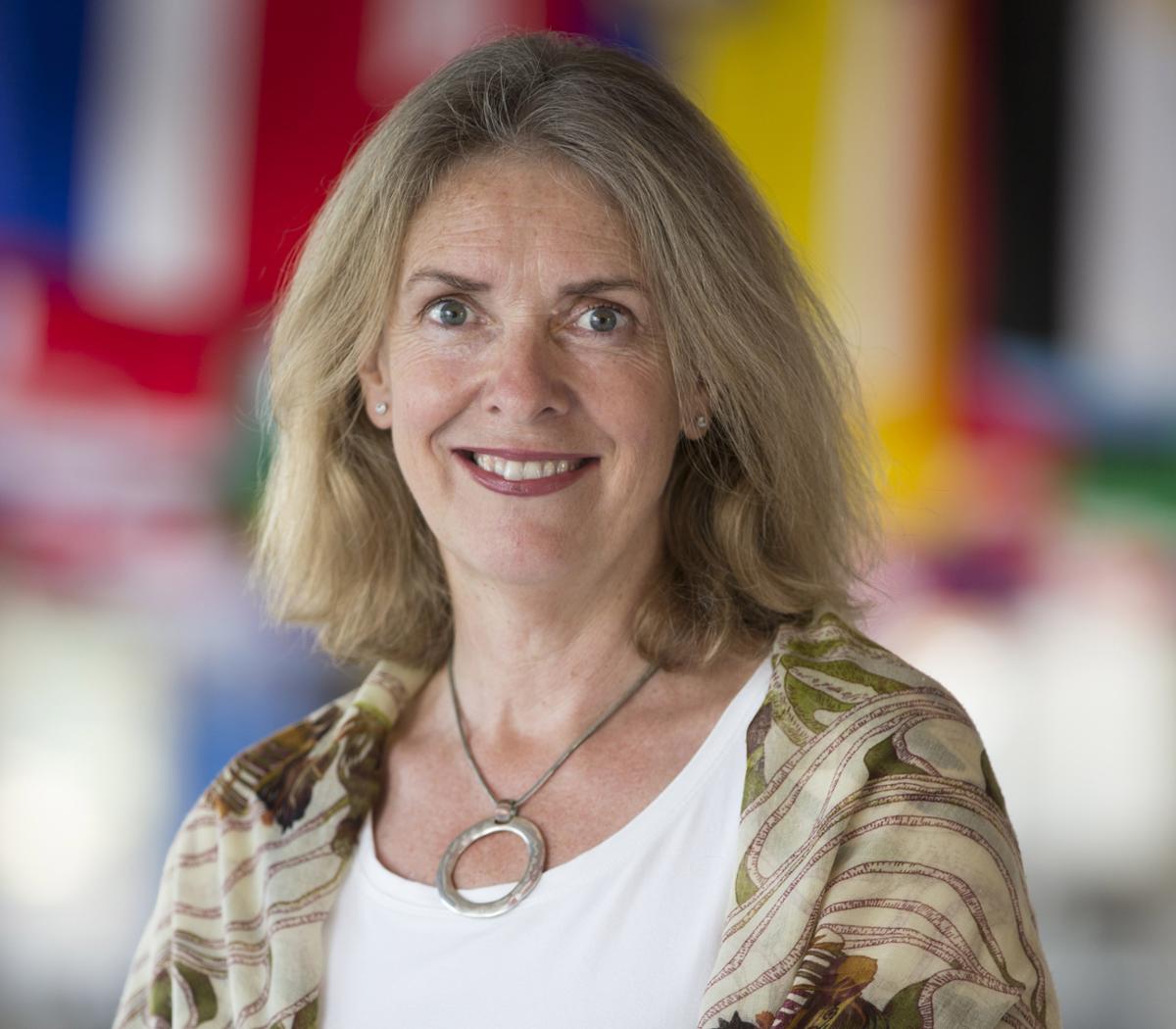
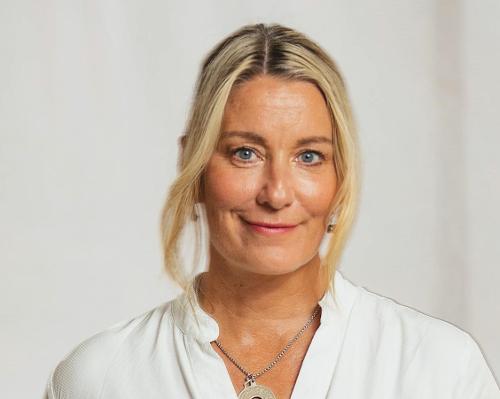
Dr Fiona Bull, head of the physical activity unit at the World Health Organization (WHO), has stated that “demonstrating impact is key” for the physical activity sector when it comes to delivering on its potential to society. “Without it, we’re just asking governments for handouts,” she said.
While the industry is already good at demonstrating the health benefits of exercise, Bull underlined the importance of proving its impact in other areas. “We need to strengthen the evidence base around the wider benefits: economic, community, social and environmental,” she said. “In fact, work is already underway to improve the methodologies used to demonstrate social return on investment, in collaboration with organisations such as Europe Active.”
Bull’s comments were revealed during an exclusive interview with HCM, following the release of the World Health Organization’s (WHO) Global Status Report on Physical Activity 2022, a follow-up to 2018’s Global Action Plan on Physical Activity 2018–2030 (GAPPA).
The latter laid out the roadmap of recommended policies for countries to implement in order to improve engagement with and maximise opportunities relating to the mass adoption of physical activity practices.
The latest report details the cost to the public health system of not acting on physical activity, an analysis of each nation’s progress on policy implementation and recommendations on actions needed to recover from the pandemic and reach GAPPA targets.
It found that US$27bn a year in direct public healthcare costs – or US$300bn by 2030 – could be averted globally by increasing participation in physical activity. In turn this would prevent an estimated 500m new cases of noncommunicable diseases (NCDs) and mental health conditions by 2030. “That US$300bn figure is equivalent to the cost of training around one million medical doctors in the UK or 2.3m in Brazil,” she said.
The report also revealed that progress isn’t fast enough to meet desired targets by 2030 across the 194 countries involved. Out of 29 policy indicators 18 are being achieved by fewer than half of the countries and only two are being achieved by over three-quarters. Bull says "progress is grindingly slow," while recognising the extent of the challenges being faced by governments.
With the goal of speeding up progress, Bull is launching a Register of Commitments, asking for the commitments of civil society, academics, industry and non-government organisations to support implementation in their countries.
She called on the industry to step up its inclusivity approaches – in terms of both consumers and staff – and encouraged the sector to work at shaping government policy on physical activity.
“There’s also an opportunity to influence governments’ prioritisation of physical activity and positively shape policy through advocacy,” she said. “But here it’s vital that the industry has one clear, representative voice that can communicate the roles, directions and responses the sector can provide in promoting physical activity globally.”
To drive change, the WHO has identified five key areas for change, as Bull explained to HCM:
""Firstly, we need governments to strengthen their ownership of the physical activity policies they’re responsible for, along with their leadership and accountability to implement those policies. As an example, we need all ministries of transport to appreciate their contribution to increasing physical activity through walking and cycling. They are the responsible government portfolio sector for this. Meanwhile, the education sector must ensure children have positive experiences in sport and physical activity in school, via quality physical education. We aren’t asking one department to do everything. We’re asking multiple departments to do their bit.
"The second is stronger partnerships, which is something we’ve called for many times. Sport and health, but also transport and education, must work better and closer together. There also needs to be more collaboration with communities. It doesn’t have to be top-down; communities know what they need. Joined-up action will deliver the whole system approach that creates opportunities for everyone.
"Third, to close the policy-action gap, we need to build the knowledge, competencies, workforce and guidance on how to do it. We need tools that translate high-level policy to really practical, feasible how-to advice.
"Fourth, we must address data gaps. Data will inform, guide and allow us to measure progress, yet there are some key indicator gaps that mean we don’t even know what progress we’re making – or not making. For example, we have no data on the provision of quality physical education; a global database does not exist. And that’s just one example. We don’t know what provision and access there is to walking and cycling infrastructure, either, so we can’t track that or guide progress.
"The fifth point is the need to review the alignment of financing and funding towards these policies; the implementation gap is no doubt in part due to insufficient funding and prioritisation. If we say we’re going to provide quality physical education and increase walking and cycling infrastructure, the budgets within those government portfolios must match the policy directions. At the moment, we have a mismatch in many countries."
The Global Action Plan for Physical Activity 2018-2030 (GAPPA) status report can be accessed at: www.hcmmag.com/gappa.
Download the full global status report and watch a summary video at: www.hcmmag.com/StatusReport.
HCM's interview with Fiona Bull was produced as part of a collaboration with Europe Active.
More News


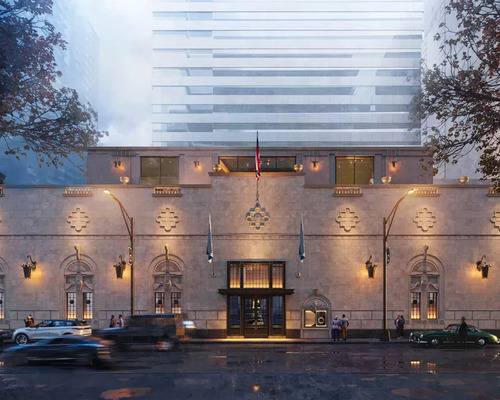
OMA has completed a major transformation of New York's New Museum, creating a larger cultural campus that combines expanded exhibition spaces with learning, ... More





- News by sector (all)
- All news
- Fitness
- Personal trainer
- Sport
- Spa
- Swimming
- Hospitality
- Entertainment & Gaming
- Commercial Leisure
- Property
- Architecture
- Design
- Tourism
- Travel
- Attractions
- Theme & Water Parks
- Arts & Culture
- Heritage & Museums
- Parks & Countryside
- Sales & Marketing
- Public Sector
- Training
- People
- Executive
- Apprenticeships
- Suppliers