











WHO reveals shocking US$300bn inactivity timebomb


A new report from The World Health Organization (WHO), Global Status Report on Physical Activity 2022, has revealed that physical inactivity between 2020 and 2030 will result in almost 500m people developing a preventable, non-communicable disease (NCD), at a cost of US$300bn, if governments do not act urgently.
The report analysed data from 194 countries to check the extent to which governments are implementing policy recommendations for physical activity across all ages and abilities – as outlined in WHO’s Global Action Plan on Physical Activity (GAPPA) 2018–2030. It discovered that the global target of a 15 per cent reduction in the level of physical inactivity in adults will not be met if efforts aren’t accelerated.
This conclusion is partly due to WHO’s findings that 81 per cent of boys and girls aged 11-17 are engaging in less than an hour of physical activity each day, identifying an urgent need to scale and redouble efforts to meet the 15 per cent target. Those who meet recommended levels of physical activity – 300 minutes a week for adults – have a 20-30 per cent reduced risk of premature death.
Less than half of the 194 countries surveyed have a national physical activity policy. Out of those who do, less than 40 per cent are operational. Just 30 per cent of countries have national physical activity guidelines for all age groups. Adults are monitored in most countries, but only 75 per cent monitor physical activity in adolescents and less than 30 per cent monitor physical activity in children under five years of age.
“We need more countries to scale up implementation of policies to support people to be more active through walking, cycling, sport and other physical activity,” said Dr Tedros Adhanom Ghebreyesus, WHO director general. “The benefits are huge, not only for the physical and mental health of individuals but also for societies, environments and economies. We hope countries and partners will use this report to build more active, healthier and fairer societies for all.”
According to the WHO, NCDs are currently responsible for the death of 41m people each year. The main types are cardiovascular (such as heart attacks and strokes), which account for most deaths at 17.9m per year, cancers, chronic respiratory diseases (such as asthma) and diabetes.
The WHO predicts that two causes of new cases of NCDs – those developed 2020-2030 – will occur because of hypertension (47 per cent) and depression (43 per cent). “The new cases of these two diseases will account for 22 per cent and 28 per cent respectively of total direct health care costs,” states the WHO. “Meanwhile 21 per cent of costs will be incurred for the treatment of dementia, even though this only accounts for 3 per cent of total preventable cases.” The cost is high due to the high-cost nature of dementia treatment.
The report underlines that around 7-8 per cent of all cases of cardiovascular disease, depression and dementia, and about 5 per cent of type-2 diabetes cases, could be prevented if people were more active.
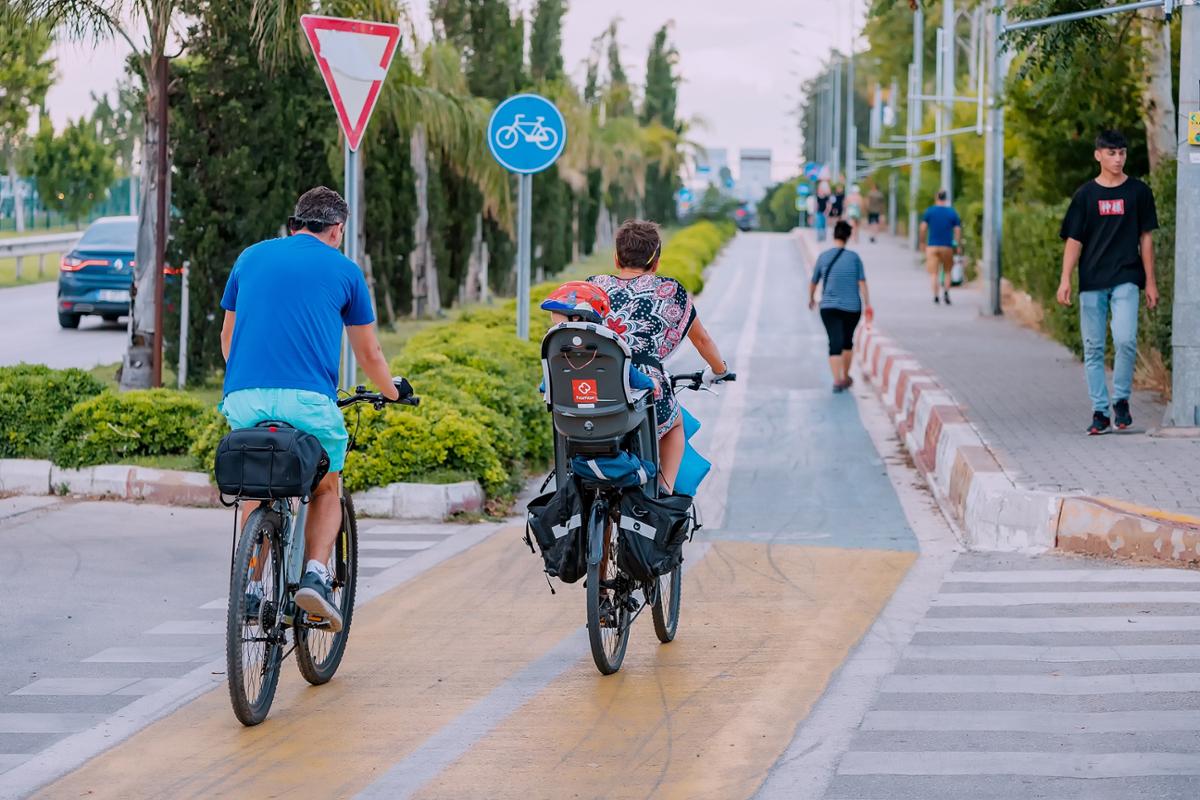
Some of the barriers to progression include: inequalities in levels of physical activity between women and men (which exist in most countries), girls and boys, old and young and the socioeconomically advantaged and disadvantaged; environments that are not conducive to activity – only 40 per cent of countries have road design standards that make walking and cycling safer; and the promotion of physical activity from healthcare providers as part of patient care.
The report also highlights that the economic impact of physical inactivity is “unequally distributed across regions” and is “disproportionate in relation to the disease burden”. The largest economic cost will occur among high-income countries, accounting for 70 per cent of expenditure.
To help countries increase levels of participation WHO set out evidence-based GAPPA policy areas in 2018: active societies, active environments, active people and active systems. However, while carrying out research for the new Global Status Report on Physical Activity 2022report, significant gaps in global data were found to exist, making it difficult to track progress on important policy actions, such as the provision of public open space, walking and cycling infrastructure and physical education in schools.
“We're missing globally approved indicators to measure access to parks, cycle lanes, foot paths – even though we know that data does exist in some countries – and consequently, we cannot report or track the global provision of infrastructure that will facilitate increases in physical activity,” said Dr Fiona Bull, head of WHO’s physical activity unit. “It can be a vicious circle, as no indicator and no data leads to no tracking and no accountability, and then too often, to no policy and no investment.
“What gets measured gets done, and we have some way to go to comprehensively and robustly track national actions on physical activity.”


More News


Work is underway in Madrid on one of Europe’s most significant multi-functional complexes, combining sport, entertainment, culture and education.
The €800 ... More



Movie Park Germany has opened a new Paramount Pictures-themed attraction as part of its 30th anniversary celebrations, using immersive storytelling and adaptive reuse ... More




Efteling has opened Hooghmoed, a new family drop tower designed to broaden the appeal of its recently launched Sirene Island themed area and ... More

- News by sector (all)
- All news
- Fitness
- Personal trainer
- Sport
- Spa
- Swimming
- Hospitality
- Entertainment & Gaming
- Commercial Leisure
- Property
- Architecture
- Design
- Tourism
- Travel
- Attractions
- Theme & Water Parks
- Arts & Culture
- Heritage & Museums
- Parks & Countryside
- Sales & Marketing
- Public Sector
- Training
- People
- Executive
- Apprenticeships
- Suppliers