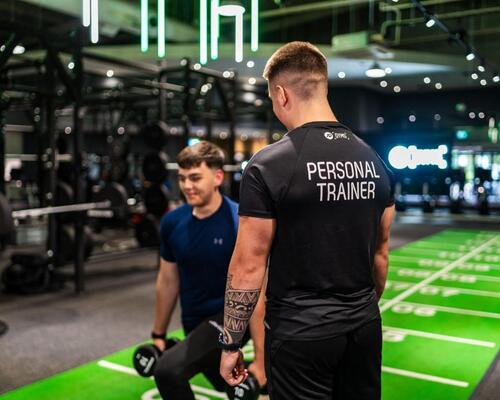












From Innovation to impact: moving beyond reactive innovation in the leisure sector


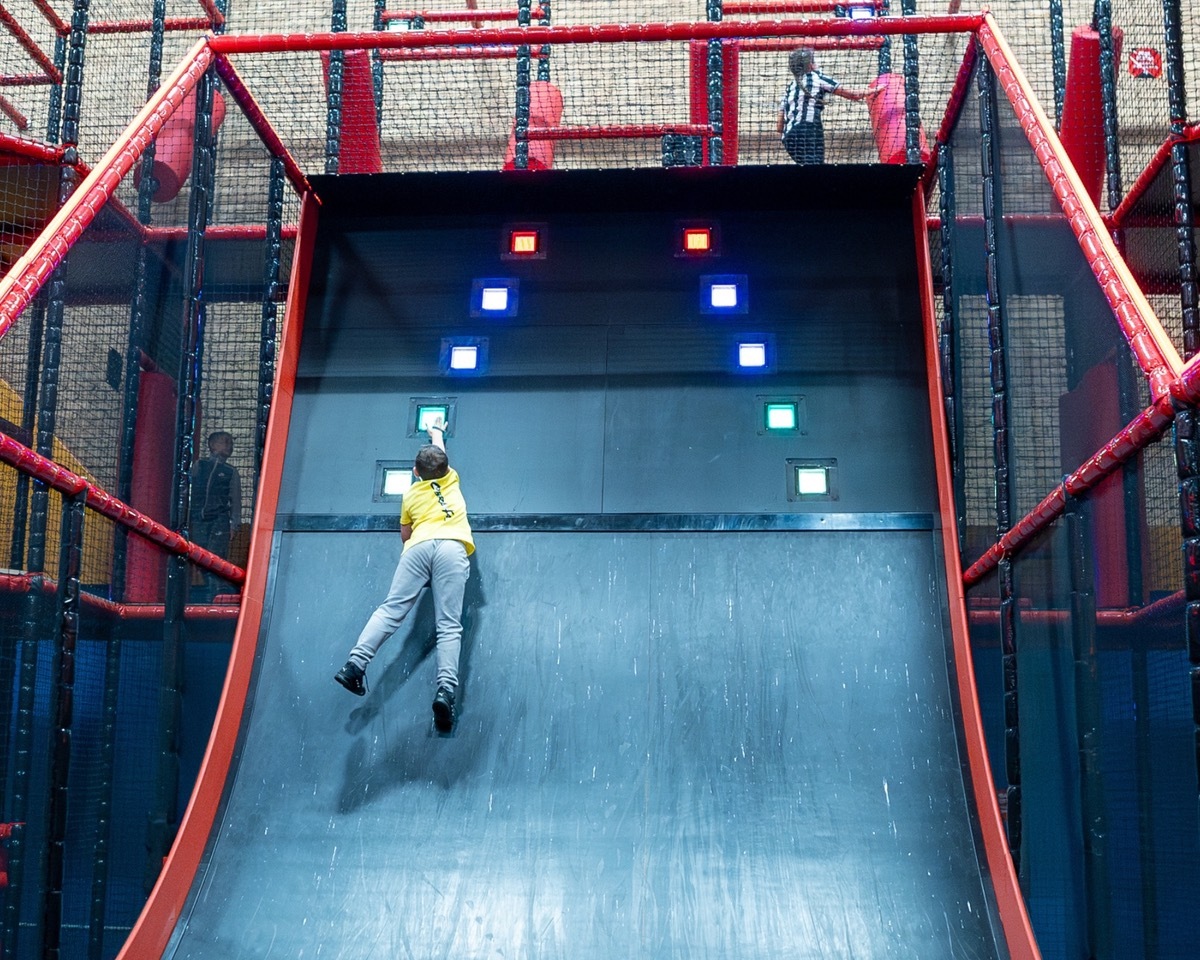

“innovation” is a term frequently used in the leisure industry, but in a sector that evolves rapidly, driven by shifting participation patterns, rising operational pressures and evolving community expectations, simply being innovative is no longer enough. What truly sets operators apart is the way innovation is assessed and implemented.
Why Structured Product Review Matters
Too often, innovation in leisure is reactive. A new trend gains attention, and suddenly there’s pressure to adopt it. Yet operators must balance commercial viability with inclusivity, long-term asset performance and positive outcomes for the local community. Not every trend delivers value, not every product stands the test of time and not every concept aligns with the practical realities of public sector delivery.
This is where a structured product review approach becomes essential.
At Alliance Leisure, for example, we have formalised this through creating a Product Steering Group. This cross-functional team, drawing expertise from design, operations, commercial development and project delivery, ensures that innovation is explored with curiosity but assessed with strategic intent.
The group applies a consistent framework to evaluate new ideas against agreed criteria, ensuring that every concept introduced, whether into a new build or an existing facility, aligns with broader strategic goals and operational realities.
A recent example is Reformer Pilates. While interest in Reformer Pilates equipment and classes has soared, our Product Steering Group looked beyond popularity to consider how it functions as a complete offering. Through this process, Alliance Leisure is now proudly working with Kore (formerly Sandwell Leisure Trust) and Tribute Brands to increase access to Reformer Pilates in the public sector.
Key Questions When Reviewing Your Offer
When evaluating new products, services, or activity concepts, it’s crucial to ask yourself some key questions.
• User experience and engagement – Does this genuinely attract new audiences and enhance participation?
• Commercial performance – What is the revenue potential? How will throughput, staffing and lifecycle costs be affected?
• Operational practicality – What are the maintenance needs, supplier support requirements and staff training implications?
• Design and infrastructure impact – How does it affect space planning, building services and compliance requirements?
• Inclusivity and accessibility – Who is welcomed and who might be unintentionally excluded?
• Sustainability and adaptability – Will this remain relevant as participation trends evolve?
Being ahead of the curve is not just about new ideas, it’s about how you scrutinise them. Operators need openness to innovation, the courage to challenge assumptions and the ability to balance ambition with operational realities. Above all, success is measured by tangible outcomes for both participants and the wider community.
Find out more about the range of products in Alliance Leisure’s portfolio here
By Paul Woodford, Strategic Engagement Director at Alliance Leisure
More News
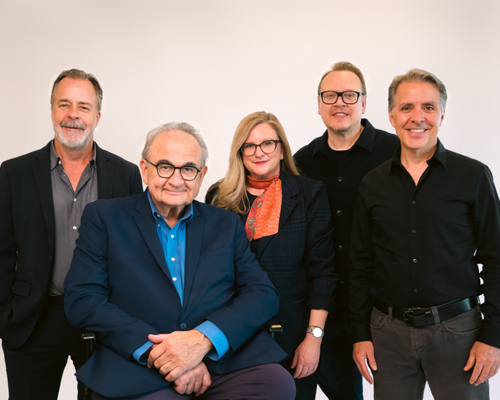


Work is underway in Madrid on one of Europe’s most significant multi-functional complexes, combining sport, entertainment, culture and education.
The €800 ... More



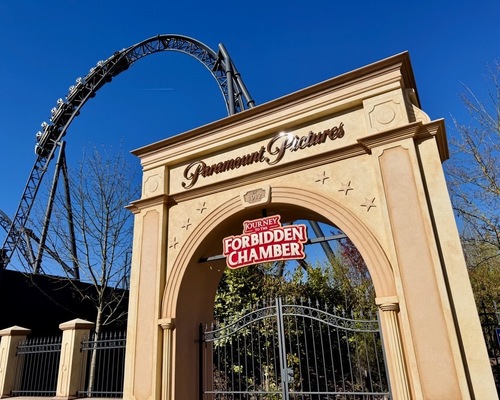
Movie Park Germany has opened a new Paramount Pictures-themed attraction as part of its 30th anniversary celebrations, using immersive storytelling and adaptive reuse ... More


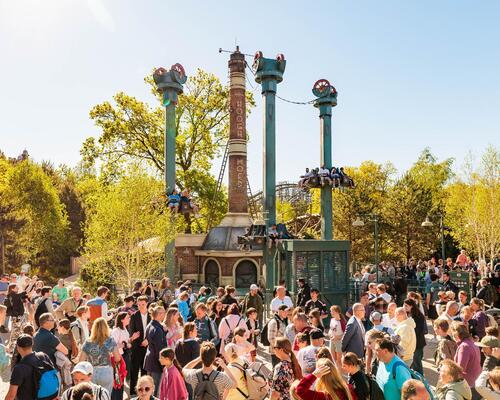
Efteling has opened Hooghmoed, a new family drop tower designed to broaden the appeal of its recently launched Sirene Island themed area and ... More
- News by sector (all)
- All news
- Fitness
- Personal trainer
- Sport
- Spa
- Swimming
- Hospitality
- Entertainment & Gaming
- Commercial Leisure
- Property
- Architecture
- Design
- Tourism
- Travel
- Attractions
- Theme & Water Parks
- Arts & Culture
- Heritage & Museums
- Parks & Countryside
- Sales & Marketing
- Public Sector
- Training
- People
- Executive
- Apprenticeships
- Suppliers