







see all jobs
Obesity and depression cause excessive daytime sleepiness: study


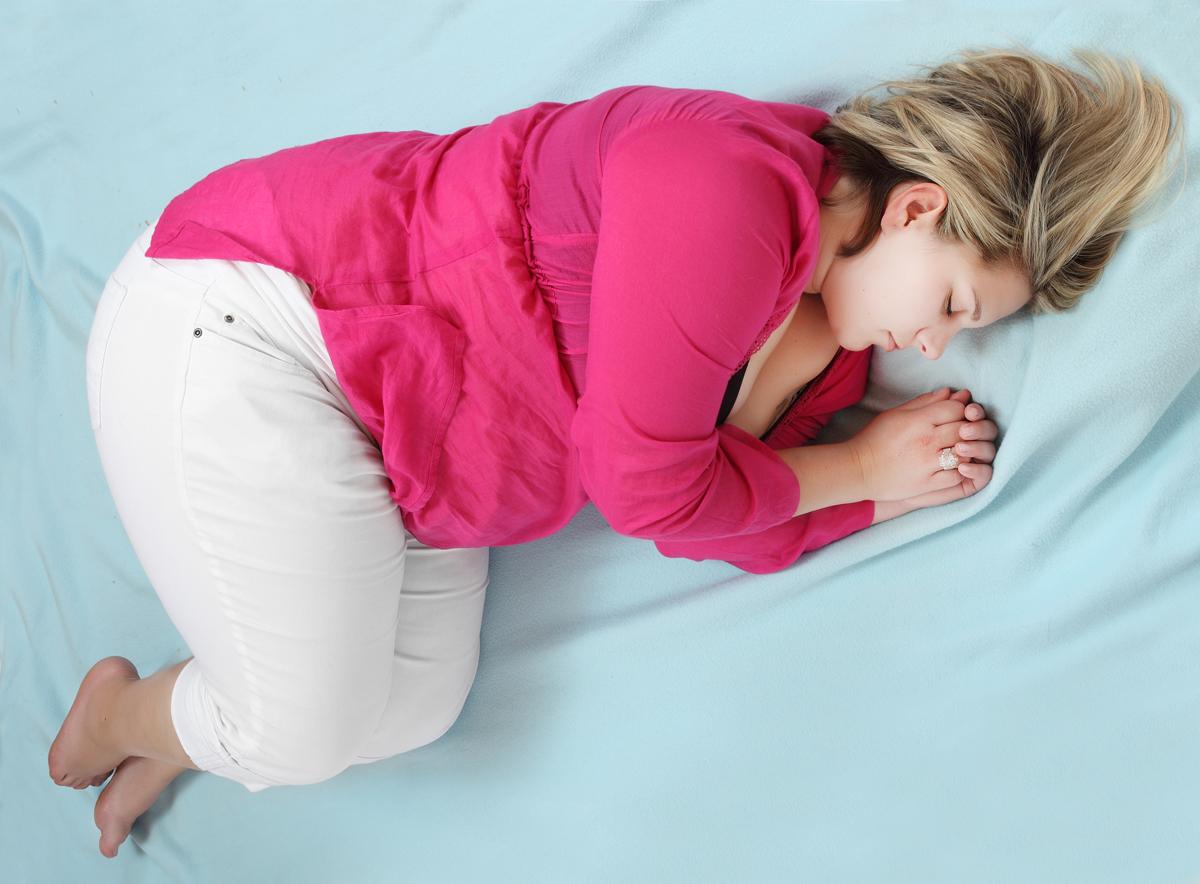
Obesity and depression are underlying causes for regular excessive daytime sleepiness (EDS) – not just a lack of sleep, according to a study by Penn State College of Medicine. This means sleep medicine needs to be personalised as the standard approach of prescribing sleeping pills and more sleep will fail in the long-term.
Wellness facilities have an important role to play in addressing sleep disorders and promoting health and wellbeing to clients in a comprehensive manner. They are in a prime position to give advice about weight loss and preventing depression-inducing loneliness – thus purging the world of its poor sleep epidemic.
According to the researchers, as much as 30 per cent of the general population experiences EDS during most of the day. While previous studies have associated EDS with obesity, depression and sleep apnea – a condition in which breathing pauses occur during sleep – this is the first study to use physiologic sleep data to infer causation and observe the EDS over several years.
The researchers measured self-reporting of EDS at baseline and again an average of 7.5 years later in 1,396 men and women. Participants completed a sleep history, physical examination and were evaluated for one night in a sleep laboratory. Physical, mental health, substance use and sleep problems were also recorded.
“Obesity and weight gain predicted who was going to have daytime sleepiness,” said Julio Fernandez-Mendoza, assistant professor of psychiatry at the Sleep Research and Treatment Centre at Penn State College of Medicine. “Moreover, weight loss predicted who was going to stop experiencing daytime sleepiness – reinforcing the causal relationship.”
The association between body mass index (BMI) and sleepiness was independent of sleep duration – meaning obese people may be tired during the day no matter how much they sleep at night. A recent study even suggested that lie-ins at the weekend disrupt the body’s sleep patterns and even cause obesity.
The primary underlying reason that makes obese people feel overly tired is likely to be low-grade chronic inflammation, according to the study. This means fat cells, particularly in the abdominal region, produce immune compounds that promote sleepiness, among other effects.
Depressed individuals in the study also had high incidence of EDS. Physiological sleep disturbances – including taking longer to fall asleep and waking up in the middle of the night – explained their daytime drowsiness.
“People with depression typically ruminate – they have difficulty shutting their minds off and they are more likely to have elevated stress hormones,” said Fernandez-Mendoza. “The mechanism we believe is playing a role here is hyperarousal, which is simply going to bed and being too alert; in other words, people with depression feel fatigued but do not necessarily fall asleep during the day.”
Highlighting the dangers to the public of EDS, including poor work productivity and fatal car crashes, the study shows that daytime drowsiness has important negative implications for public health and policy.
Taken together, the findings indicate that a one-size-fits-all approach to treating EDS is inappropriate.
“In the medical field, there is a widespread belief that if you feel sleepy during the day, it’s because you didn’t get enough sleep,” added Fernandez-Mendoza. “We need to start abandoning this idea. If we continue to believe the only cause of EDS is people sleeping too little, we are missing the vast majority of the population. The main causes of a sleepy society are an obese society, a depressed society and – to some extent – people who have a physiological disorder. By looking at our patients more closely, we can start personalising sleep medicine.”

More News



OMA has completed a major transformation of New York's New Museum, creating a larger cultural campus that combines expanded exhibition spaces with learning, ... More





- News by sector (all)
- All news
- Fitness
- Personal trainer
- Sport
- Spa
- Swimming
- Hospitality
- Entertainment & Gaming
- Commercial Leisure
- Property
- Architecture
- Design
- Tourism
- Travel
- Attractions
- Theme & Water Parks
- Arts & Culture
- Heritage & Museums
- Parks & Countryside
- Sales & Marketing
- Public Sector
- Training
- People
- Executive
- Apprenticeships
- Suppliers