







see all jobs
Strenuous exercise increases chance of developing motor neurone disease in some people


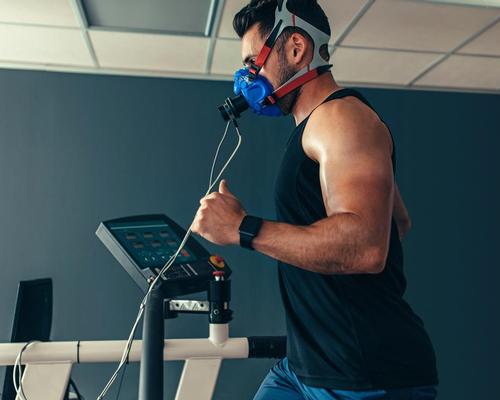
Frequent strenuous exercise increases the risk of developing motor neurone disease (MND) in people with certain genetic profiles.
Over recent years, a number of high-profile professional athletes across the world have shared their experience of living with MND, ALSo known as amyotrophic lateral sclerosis (ALS) – or Lou Gehrig’s disease in North America.
Research from the University of Sheffield shows a causal relationship between exercise and MND, with high-intensity physical activity likely to contribute to motor neurone injury, but only in individuals with a predisposing genetic profile.
Among the key findings is that some people who have a genetic make-up favouring strenuous physical activity have an increased risk of developing MND.
Many of the 30+ genes known to predispose to MND change in their levels of expression during intense physical exercise and individuals who have a mutation in the C9ORF72 gene – which accounts for 10 per cent of MND cases – have an earlier age of disease onset if they have a lifestyle which includes high levels of strenuous physical activity.
The study could represent a significant step towards unravelling the link between high levels of physical activity and the development of the neurodegenerative condition, which affects approximately 5,000 people in the UK.
Professor Dame Pamela Shaw, senior author of the study, said: “This research goes some way towards unravelling the link between high levels of physical activity and the development of MND in certain genetically at-risk groups.
"We studied the link using three different approaches and each indicated that regular strenuous exercise is a risk factor associated with MND.
“Clearly most people who undertake strenuous exercise do not develop motor neurone injury and more work is needed to pinpoint the precise genetic risk factors involved.
"The ultimate aim is to identify environmental risk factors which can predispose to MND, to inform prevention of disease and lifestyle choices.”
The disorder affects motor neurones – the nerves in the brain and spinal cord that form the connection between the nervous system and muscles to enable movement of the body.
The messages from these nerves gradually stop reaching the muscles, leading them to weaken, stiffen and eventually waste. The progressive disease affects a person’s ability to walk, talk, use their arms and hands, eat and breathe.
It is estimated that around 10 per cent of MND cases are inherited, but the remaining 90 per cent are caused by complex genetic and environmental interactions which are not well understood – this is known as sporadic MND.
Dr Brian Dickie, director of research development at the Motor Neurone Disease Association, said the new research will have a significant impact on the global research effort to identify which individuals based on their genetics are at risk of MND.
“In recent years, understanding of the genetics of MND has advanced, but there has been little progress in identifying the environmental and lifestyle factors that increase the risk of developing the disease," Dickie said.
“This is, in part, because the genetic and the environmental studies tend to be carried out in isolation by different research teams, so each is only working with part of the jigsaw. The power of this research from the University of Sheffield comes from bringing these pieces of the puzzle together."
Liz Terry, editor of HCM said: "It's to be hoped that research will identify the exact genes implicated in this effect so athletes and those who choose to train at this level will be able to take a test to establish whether they might be affected and then to calibrate their training accordingly."
To read the full report, which was published in in the journal EBioMedicine, click here.

More News



OMA has completed a major transformation of New York's New Museum, creating a larger cultural campus that combines expanded exhibition spaces with learning, ... More











- News by sector (all)
- All news
- Fitness
- Personal trainer
- Sport
- Spa
- Swimming
- Hospitality
- Entertainment & Gaming
- Commercial Leisure
- Property
- Architecture
- Design
- Tourism
- Travel
- Attractions
- Theme & Water Parks
- Arts & Culture
- Heritage & Museums
- Parks & Countryside
- Sales & Marketing
- Public Sector
- Training
- People
- Executive
- Apprenticeships
- Suppliers