







see all jobs
Isometric exercise best way to lower blood pressure. Researchers call for review of exercise guidelines


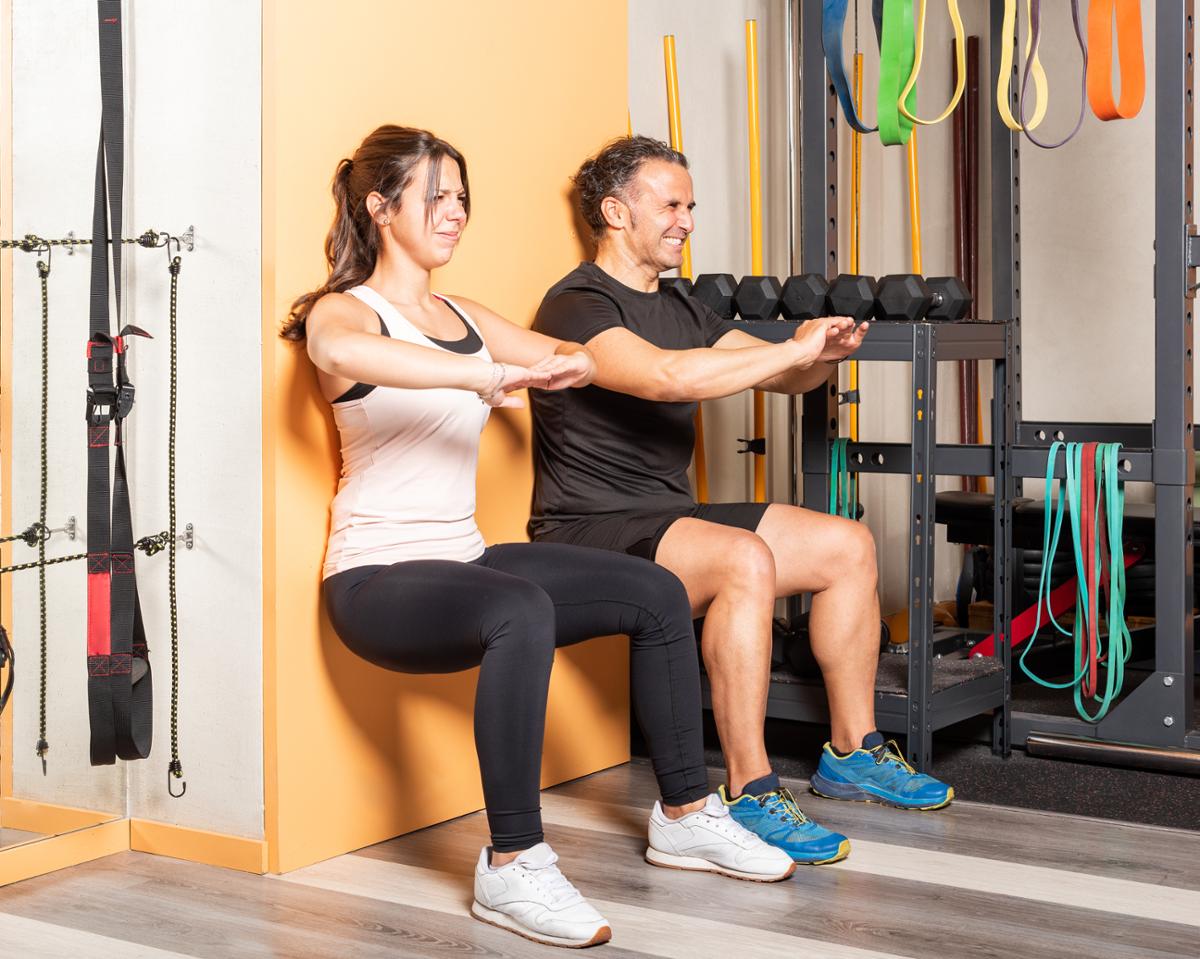
Many turn to cardio to keep their blood pressure healthy, however, new research from the team at Canterbury Christ Church and Leicester universities in the UK has found isometric exercises, such as wall squats and planking, which involve engaging muscles without movement, offer the best results for those looking to lower their blood pressure through physical activity.
The finding comes from a study, published in the British Journal of Sports Medicine (BJSM), which looked at randomised controlled trials involving nearly 16,000 people between 1990 and 2023. For the study, researchers only included trials which featured an exercise intervention that was at least two weeks long and had an eligible non-intervention control group.
The study found that all types of physical activities, from aerobic exercise and strength training to high-intensity interval training (HIIT), were "significantly effective" in reducing resting blood pressure, however, isometric exercise – movement which involves the static contraction of a muscle without any visible movement in the angle of the joint – was most effective in reducing both systolic (SBP) and diastolic blood pressure (DBP).
"We analysed data from 270 trials to establish optimal exercise prescription practices in the management of resting arterial blood pressure," said Jamie O’Driscoll, a reader in cardiovascular physiology at Canterbury Christ Church university and senior author of the report.
"To our knowledge, only two previous large-scale meta-analyses of similar proportion have been performed and this present study is the first to incorporate HIIT as a novel exercise mode, as well as providing advanced sub-mode analyses of a range of other exercise types – from walking, cycling and running to strength and mixed training.
"As a novel intervention, HIIT produced clinically relevant reductions in both systolic blood pressure (SBP) and diastolic blood pressure (DBP), but ranked as the least effective among all primary modes for SBP.
"Overall, isometric exercise training is the most effective mode in reducing both systolic and diastolic blood pressure."
O’Driscoll told The Guardian that the static contractions of isometric exercises "squeeze the vessels that supply blood to the working muscles – which reduces the flow of blood to the muscle during the exercise and therefore the oxygen supply to the muscle.
"When the muscle relaxes afterwards, it causes a large flow of blood through the vessels (this was different to other modes of exercise) and was likely to be the trigger driving these greater improvements in blood flow regulation," he said.
Isometric exercises were almost twice as effective in lowering blood pressure when compared with the government recommended exercise guidelines and the study calls for a review of exercise guidelines for the prevention and treatment of hypertension in light of the findings.
Analysis showed significant reductions in both resting SBP and and DBP as follows:
Aerobic exercise training (−4.49/–2.53 mm Hg, p<0.001)
Dynamic resistance training (–4.55/–3.04 mm Hg, p<0.001)Combined training (–6.04/–2.54 mm Hg, p<0.001)
High-Intensity Interval Training (–4.08/–2.50 mm Hg, p<0.001)Isometric exercise training (–8.24/–4.00 mm Hg, p<0.001).
The order of effectiveness were:
Isometric exercise training – 98.3 per centCombined training – 75.7 per cent
Dynamic resistance training – 46.1 per centAerobic exercise training 40.5per cent
High-Intensity Interval Training 39.4 per cent. Isometric wall squat and running reduced SBP (90.4 per cent) and DBP (91.3 pr cent), respectively.
To read the full research paper, click here for the BJSM website.
More News









- News by sector (all)
- All news
- Fitness
- Personal trainer
- Sport
- Spa
- Swimming
- Hospitality
- Entertainment & Gaming
- Commercial Leisure
- Property
- Architecture
- Design
- Tourism
- Travel
- Attractions
- Theme & Water Parks
- Arts & Culture
- Heritage & Museums
- Parks & Countryside
- Sales & Marketing
- Public Sector
- Training
- People
- Executive
- Apprenticeships
- Suppliers